

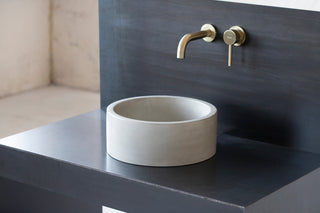
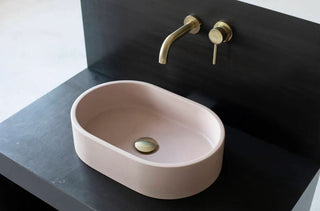

A concrete sink is a true eye-catcher in any bathroom – raw, natural, and timelessly elegant. However, this unique material also presents a challenge for many owners: how do you clean a concrete sink properly without damaging the surface? Conventional cleaning products can attack the sensitive structure of concrete, while limescale deposits and water stains can quickly dull its appearance. In this guide, you will learn how to clean your concrete sink gently and effectively, remove stubborn limescale and dirt stains, and maintain a flawless look for years to come with the right care.
Why Concrete Sinks Require Special Care
Concrete is a porous material. This means that liquids, soap residues, and minerals from tap water can penetrate the surface and leave behind discoloration, efflorescence, or stubborn deposits. Unlike ceramic or enamel, concrete is also highly sensitive to acidic substances – even citric acid or vinegar can damage the surface and cause visible marks.
Most concrete sinks are factory-sealed with a protective coating that helps guard against moisture and stains. However, this sealant is not indestructible. Over time, and especially through the use of unsuitable cleaning products, it can wear away. Using the correct cleaning methods and products is therefore not optional, but essential.
Daily Cleaning – Less Is More
When it comes to everyday cleaning, one simple rule applies: less is more. The best results are achieved with a soft microfiber cloth and clean water. Wipe the sink dry briefly after each use to prevent limescale spots and water marks before they develop.
If a deeper clean is required, use pH-neutral cleaners specifically designed for natural stone or concrete surfaces. Apply the cleaner with a soft sponge or cloth, allow it to work briefly, and then rinse thoroughly with clean water. Never scrub aggressively – gentle circular motions are far more effective and kinder to the material.
Removing Limescale from a Concrete Sink – The Correct Method
Limescale buildup is the most common issue with concrete sinks, especially in areas with hard water. The challenge is that traditional limescale removers usually contain acids that can damage concrete. Vinegar, citric acid, and many conventional bathroom cleaners are therefore completely unsuitable for concrete sinks.
What Works Instead:
-
Specialized limescale removers for concrete or natural stone:
Professional suppliers offer pH-neutral descalers specifically formulated for porous materials. These products dissolve limescale deposits without damaging the sealant or the concrete itself. -
Soaking with lukewarm water:
For light deposits, it is often enough to cover the sink with a damp cloth for several minutes and then gently wipe away the softened residue. -
Careful removal with a plastic scraper:
Thicker layers of limescale can be carefully removed using a soft plastic scraper. Metal tools or abrasive sponges should always be avoided, as they can permanently scratch the surface.
Tip: Regularly wiping the sink dry after use prevents limescale from drying onto the surface in the first place. This saves time in the long run and helps protect the finish.